
FIKA NYC / THE COFFEE JOURNAL
Atlas Coffee Club: how to assess the subscription
Review Atlas Coffee Club’s current bag, grind, frequency and cancellation options, then compare total cost and fit without an invented taste test.
Originally published Editorially updated
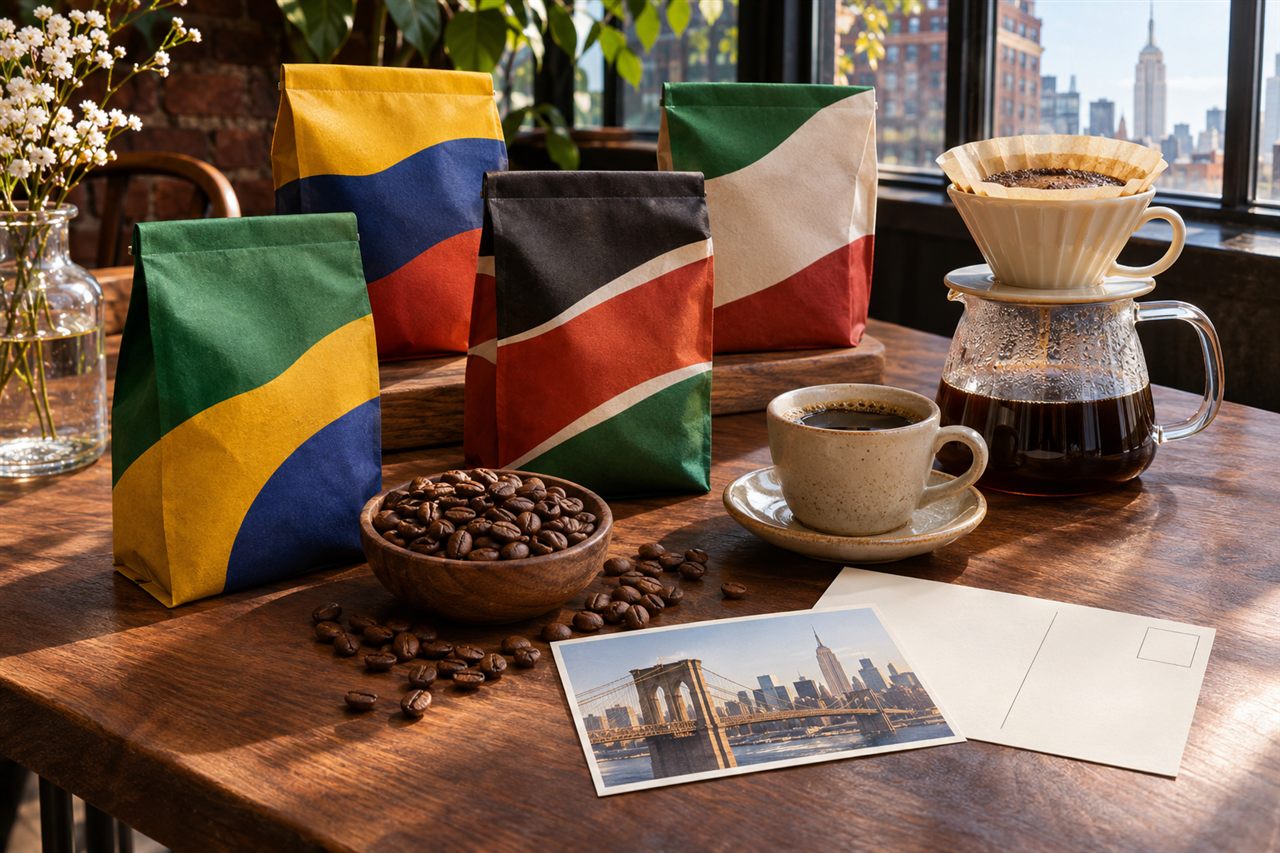
Atlas Coffee Club is a coffee subscription built around changing origins. That can appeal to someone who enjoys variety, but the right question is whether its current bag size, roast choice, grind, shipping rhythm and terms fit your household. The old Fika page claimed we personally tested several coffees and declared them exceptional; we cannot substantiate that experience. This updated guide uses Atlas’s current published help pages and gives readers a checklist for their own decision.
What the subscription offers
Atlas describes partnerships with coffee producers in multiple origins on its About page. Its help center says bagged subscribers receive a featured country each month rather than selecting any country on demand. The origin-choice FAQ lists roast preferences including light, medium, dark and extra dark. These options can change, so inspect the current checkout and account screens before subscribing. A subscription is useful when exploration itself is part of what you want; it is less suited to someone who needs one fixed origin every delivery.
The service's travel theme and postcards can make a gift appealing, but packaging does not predict how a coffee will taste to you. Coffee flavor varies with origin, processing, roast, freshness and brewing. If you already know a particular roast or method you dislike, use the preference tools and read the month's coffee description. Treat flavor notes as a guide rather than a guarantee. We have not conducted a side-by-side tasting of current Atlas shipments.
Bag quantity and your actual consumption
The Atlas quantity help page currently lists one 6-ounce bag, one 12-ounce bag, and multiple 12-ounce-bag options up to four bags per shipment. The sensible starting size depends on how many grams you brew per day, how many coffee drinkers share the bag and whether you buy coffee elsewhere. A household that drinks one small cup every few days may find a frequent large shipment wasteful. Someone making several cups daily may need more than a small bag.
Estimate consumption before choosing a plan. For example, a 12-ounce bag is about 340 grams; at an illustrative 20 grams per brew it supplies roughly 17 brews, before dialing-in waste or recipe changes. That is arithmetic, not an Atlas-specific yield promise. If you brew espresso and filter, your doses will differ. Use your own scale and routine to decide whether the offered quantity is a good fit. A smaller or less frequent shipment can reduce old beans accumulating in the cupboard.
Whole bean, grind and brewing method
Atlas says subscribers can select whole bean or various ground options and change the grind through the customer portal, according to its grind-type help article. Whole beans let you adjust grind for your equipment and may suit people who own a good grinder. Pre-ground coffee is convenient but should match the brewer; an espresso-fine grind is not the same as a French press grind. Check the exact selections at checkout rather than assuming “ground” is one universal setting.
If you are unsure which grind to request, consult your brewer maker's instructions and Atlas's offered options. A drip or pour-over recipe generally needs a different grind from espresso. Our espresso versus coffee guide explains why the method matters. Storage matters too: keep coffee sealed away from heat and moisture, and avoid ordering more than you can use while you like its flavor. A subscription cannot fix an unsuitable grind or inconsistent brewing recipe.
Frequency, gifting and cancellation
Atlas says the shipment frequency can be changed in the customer portal, with support available for schedules not shown there. Gift recipients may need to contact support for changes. Its cancellation guide says a recurring subscription can be stopped through account settings, while orders already confirmed cannot be cancelled through that process. Read the current terms, cutoff dates and gift rules before checkout, because they affect how flexible a subscription feels in practice.
Set a reminder to review the account before the next processing date, especially if you are buying a gift or trying the service for a short period. Keep confirmation emails and check the shipping address. A “cancel anytime” phrase does not mean a confirmed order disappears. If you prefer no recurring billing, compare one-time purchases or a clearly limited gift plan. The best subscription is one whose cadence you understand and can manage without surprise.
Calculate total value, not just the first offer
Prices, promotions, shipping and taxes can change, so this article does not quote a permanent monthly figure. At checkout, divide the full recurring cost by the ounces or grams of coffee delivered, then add your expected shipping and taxes. Compare that with beans you can buy locally or from another roaster at the same package size. A first-box discount is relevant to the first box, not to every future shipment. Also value the changing origin and gift presentation if those genuinely matter to you.
Cost per cup depends on your dose. A low price per bag may be poor value if you dislike the roast or let half the bag go stale. A higher price can be worthwhile when you enjoy exploring new coffees and brew most of each shipment. Keep a short note on each month's origin, roast, grind and recipe. After two or three shipments, you will have better evidence about whether the service fits than any unconfirmed online superlative can provide.
A practical verdict framework
Atlas may suit a coffee drinker who enjoys variety, can work with rotating origins and wants adjustable roast, grind and delivery settings. It may fit less well if you need one specific origin every month, want a fully predictable flavor profile or do not want recurring billing. The current Atlas country FAQ says subscribers cannot choose a particular monthly origin; that is a material feature, not a minor detail. Check the latest terms before paying.
This is a researched buying guide, not a hands-on product review. We have not verified the freshness of a particular bag, compared roast batches or tested customer support. If you subscribe, start with the smallest practical quantity, keep the checkout details and assess the coffee using your usual brewing method. Your own experience can determine whether to continue, change the preferences or cancel. That is more useful than treating a 2020 tasting claim as current evidence.
Common questions
Can I choose an exact origin each month?
Atlas's current help article says bagged subscribers receive the featured country and cannot select a particular origin.
Roast preferences can be changed, so check whether the available roast options meet your needs even when the origin rotates.
Can I change my grind?
Atlas says whole bean and several ground settings are available through the account portal.
Choose based on your brewer; a French press and espresso machine generally need different grinds.
Can I cancel at any time?
The Atlas help page explains how to stop a recurring subscription in account settings. It also says already confirmed orders cannot be cancelled through that process.
Review the current processing date and gift rules before ordering, and keep the confirmation details.
Did Fika test Atlas coffee?
This updated article does not claim a new hands-on test. The older page's tasting statements cannot be verified from the available record.
The guide compares published subscription options and gives readers a way to judge the coffee after their own shipment arrives.
This article draws on published brewing guidance and explains common preparations. It does not claim a hands-on equipment test, a universal recipe or a health benefit. Check the exact cafe menu and equipment instructions for your own cup.