
FIKA NYC / THE COFFEE JOURNAL
Rum and orange juice: a measured citrus cocktail
Mix rum and orange juice with a clear single-serving measure, optional citrus variations and a separate alcohol-free version.
Originally published Editorially updated
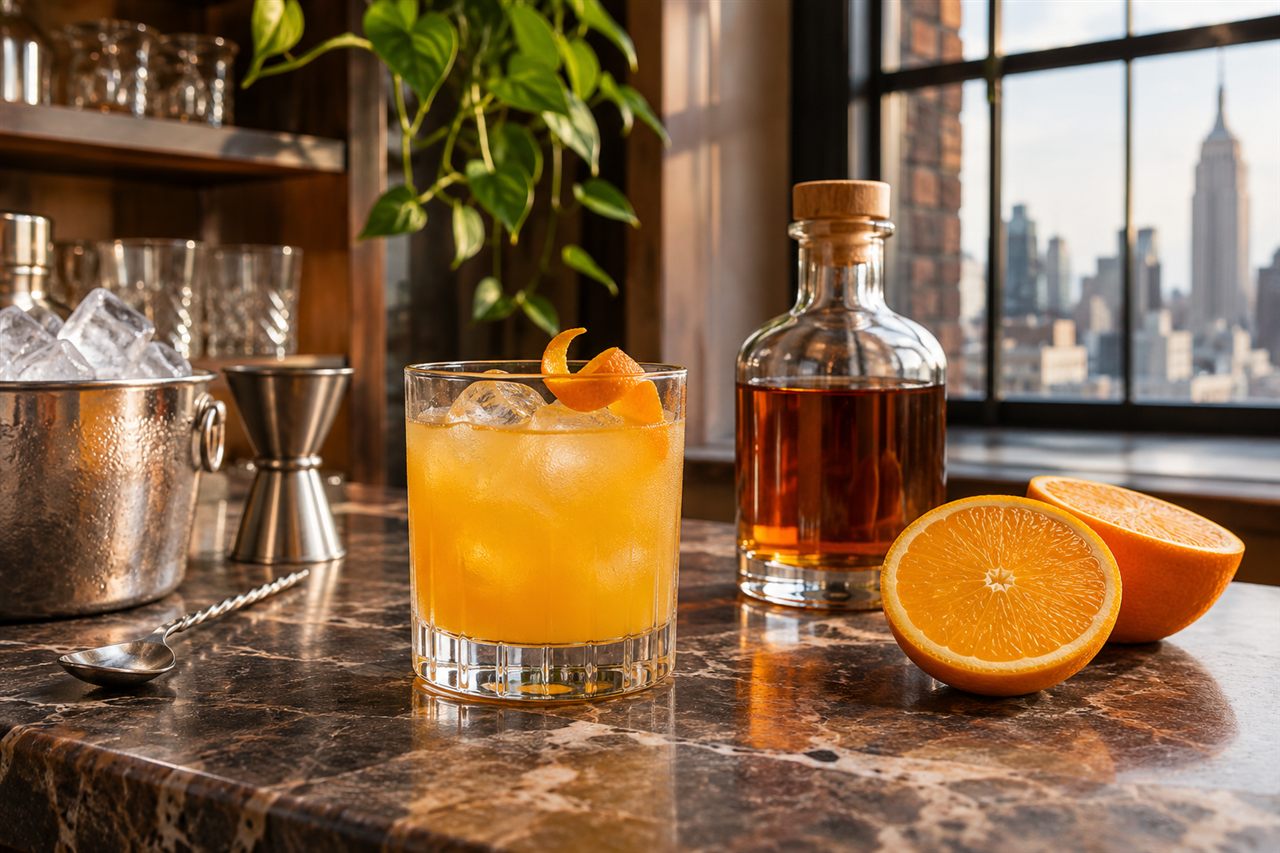
Rum and orange juice make a simple adult cocktail: the rum brings the spirit character and the orange juice supplies fruit sweetness and acidity. The original page suggested that the orange juice made an alcoholic drink healthy; it does not. The useful recipe is a measured single serving that can be adjusted by taste, with a clearly separate nonalcoholic alternative.
A measured single serving
For one drink, put clean ice in a short glass, add one fluid ounce of 40% ABV rum and four fluid ounces of chilled pasteurized orange juice, then stir gently. Garnish with a thin slice of washed orange if desired. This is a lighter starting ratio than many bar pours. A splash of chilled sparkling water can make it longer without adding more alcohol. Measure the rum with a jigger rather than free-pouring; a visual guess varies with glass shape and ice.
The CDC explains U.S. standard drink sizes: 1.5 fluid ounces of 40% distilled spirits is one standard drink. A one-ounce measure is about two-thirds of that spirit amount, assuming the rum is 40% ABV and no other alcohol is added. The orange juice and ice do not remove alcohol. Check the bottle because rums differ in strength, and do not generalize the calculated amount to a larger or stronger pour.
Choosing a rum and orange juice
A light rum can leave more room for the orange flavor; a darker or spiced rum may add vanilla, caramel or spice notes. Those are broad style descriptions, not guarantees across brands. Start with a rum you already enjoy and make a small glass before buying something solely for this mix. Spiced rum may contain added flavorings or sugar, so read the label if those ingredients matter. The juice can be smooth or pulpy; choose the texture you like.
Pasteurized packaged orange juice is convenient and gives a consistent base. Fresh-squeezed juice can taste different with each orange. The FDA warns that untreated fresh juice can carry harmful bacteria; washing fruit and equipment is important but does not pasteurize the result. If serving guests who need a lower-risk option, choose pasteurized juice. Wash an orange before slicing it for garnish even if the peel is not eaten.
Three small variations
For a brighter drink, add a few drops of lime juice and taste before adding more. For a tropical variation, replace one ounce of orange juice with pineapple juice. For a fizzy version, use three ounces of orange juice and top with one ounce of sparkling water just before serving. Keep the rum measure the same in each variation so you can compare flavor without silently increasing the alcohol. Write down the version you like.
Do not assume more juice makes a stronger drink; it usually dilutes the alcohol concentration per sip while leaving the total rum in the glass unchanged. More rum increases the alcohol amount, even if the orange flavor hides it. The FDA explains added sugars on beverage labels; use the actual juice and mixer labels if comparing sweeter and less-sweet versions. A squeeze of citrus is often a simpler adjustment than a spoonful of syrup.
A true alcohol-free option
For a similar-looking drink without spirits, combine four ounces of chilled orange juice with one ounce of sparkling water over ice. A tiny splash of pineapple juice can add depth. Use a clean separate glass and jigger if drinks are being prepared for different guests. Label it as orange spritz rather than “rum and orange” so nobody has to infer whether it contains alcohol from the garnish. A nonalcoholic drink deserves the same attention to flavor and presentation.
If hosting, place alcohol and the spirit-free ingredients on separate parts of the counter, especially if guests will serve themselves. The colors can be nearly identical. A clear ingredient card, dedicated utensils and an explicit offer of the spritz make choices straightforward. Do not offer the adult version to anyone below the legal drinking age or to someone who has asked for no alcohol. The amount in a shared pitcher would be harder to track than measured individual glasses.
Serving and handling
Chill the orange juice and have clean ice ready so the drink can be mixed just before serving. The FDA recommends washing produce under running water before cutting. Keep juice refrigerated, use clean utensils and avoid reusing garnish from a finished drink. If you have fresh-squeezed juice left, cover and refrigerate it promptly according to FDA food-storage guidance. A premixed cocktail loses freshness and may be accidentally served to someone expecting juice.
A standard-sized glass makes the single-serving recipe easy to repeat. A huge tumbler can invite an unmeasured top-up; use a jigger each time instead. If the cocktail tastes too sharp, try a sweeter orange juice or a little extra water before increasing rum. If it tastes flat, a few drops of lime may help. The drink is simple, so small ingredient changes are apparent. Taste and measure rather than relying on “more is better.”
Understanding the alcohol choice
An orange garnish and vitamin C do not make alcohol a wellness drink. The CDC notes that alcohol content depends on serving size and ABV, and mixed drinks can be difficult to estimate when spirits are not measured. Decide whether you want an alcoholic drink before preparing it; the orange spritz is available if you do not. If you are following medical or personal advice to avoid alcohol, choose the spirit-free option.
When making a drink for another adult, ask what they want and state the rum amount. Do not quietly increase the pour or combine multiple spirits because the juice makes it taste mild. The point of a measured cocktail is agency: the person drinking it can understand the ingredients, portion and alternative. Serve water as well, and keep any leftover spirits stored securely rather than beside an unlabelled pitcher.
If you are comparing two rums, make two half-size tasting portions with the same juice and ice. That keeps the comparison focused on flavor while avoiding two full cocktails. Use a measured pour for each sample and do not treat the tasting as a reason to add more alcohol.
Common questions
How much rum should I use?
This recipe starts with one fluid ounce of 40% ABV rum and four ounces of orange juice. Measure it with a jigger.
A different bottle strength or a larger pour changes the alcohol amount. Check the label and use the CDC standard-drink guidance when comparing servings.
Does orange juice make the cocktail healthy?
No. Orange juice adds fruit flavor, but it does not remove or neutralize alcohol.
Choose the drink for taste if alcohol is appropriate for you, or make the alcohol-free orange spritz instead.
Can I use dark or spiced rum?
Yes. Those styles can bring different flavor notes, and some products contain added sweeteners or flavorings.
Start with the same measured amount, taste, and check the bottle ABV before assuming it is equivalent to a light rum.
Can I make it without rum?
Yes. Mix chilled orange juice and sparkling water over ice, with an optional splash of pineapple juice.
Use separate clean tools and label the drink clearly when serving it alongside alcoholic versions.
This article draws on published brewing guidance and explains common preparations. It does not claim a hands-on equipment test, a universal recipe or a health benefit. Check the exact cafe menu and equipment instructions for your own cup.